
Altitude Sickness in Colorado: What Visitors Need to Know
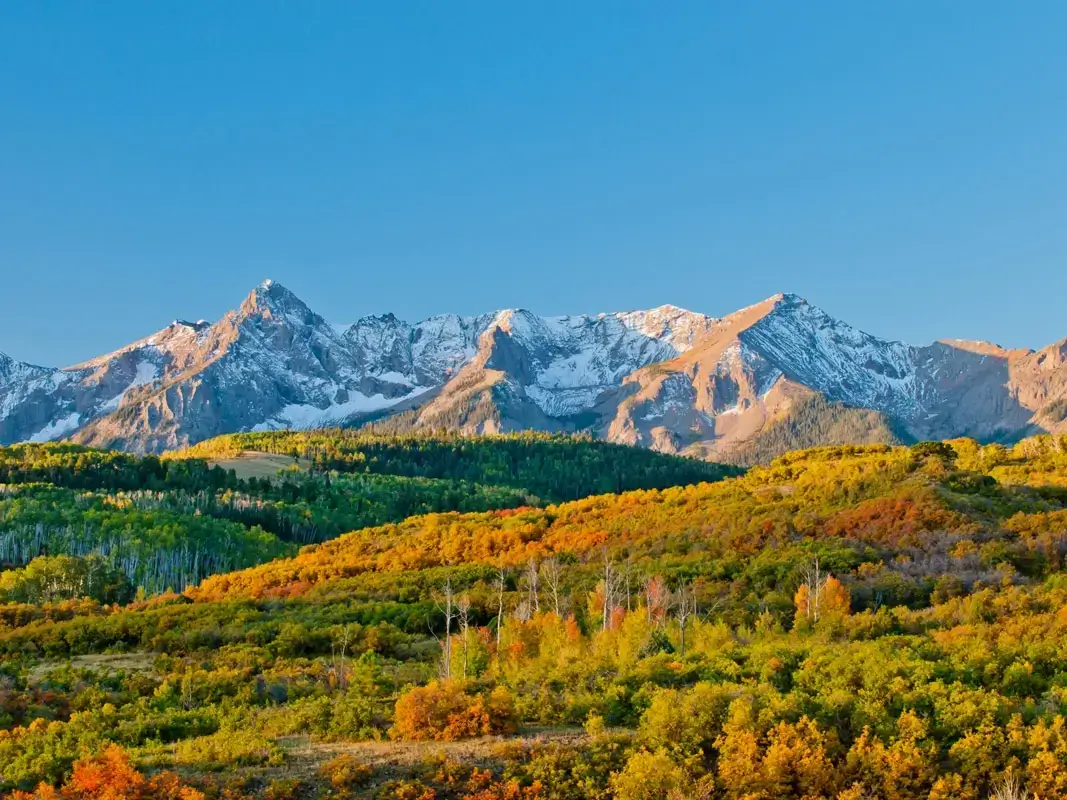
Our team lacks medical degrees. This crew drives people from Denver International Airport into the mountains. Experience has shown us who gets hit hardest. Observation also reveals when they suffer most. Read below for the real numbers. Pay attention to symptoms worth watching. Certain red flags mean you must get help right away. One habit prevents the most trouble. A slow climb is this essential habit. Search for altitude sickness in Colorado. Your results will show a wall of clinical documents. Finding these happens before typing finishes. Such medical focus is fair enough. Altitude illness really matters. Roughly a quarter of visitors to Colorado mountains feel some version of it. Elevations above 8200 feet make the odds climb fast. There is no drama here. Thin air simply acts naturally.
What Is Altitude Sickness and How Common Is It in Colorado?
Doctors call it acute mountain sickness. Or they call it AMS. It is your body’s reaction to less oxygen at higher elevation. Denver itself sits at 5280 feet above sea level. Locals sometimes shorthand it as Denver 5280. This is why it is the Mile High City. The real trouble starts higher up.
Per CU Anschutz high-altitude medicine research provides statistics. About 25 percent of visitors to Colorado mountains develop some form of altitude sickness. This rate rises to as much as 75 percent above 9800 feet. Mayo Clinic Proceedings puts acute mountain sickness at roughly 20 percent of tourists. This affects people at ski resort elevations near 10000 feet. Severe forms affect about 0.01 percent. Altitude sickness is rare below 8200 feet. It becomes routine above that level. Leadville is the highest incorporated city in the United States. That city sits above 10000 feet full time.
Fitness doesn’t buy you a pass, either. Marathoners get AMS. So do ski instructors. Oxygen saturation and thin air don’t check your gym schedule.
Colorado Elevations: Denver vs the Ski Resorts
Denver and the ski towns are not the same altitude. They are not even close. Vail and Beaver Creek sit in Eagle County. Breckenridge is located in Summit County. Copper Mountain and Arapahoe Basin cluster there as well. This area is across the Continental Divide. Here is the Colorado ski resort elevations list worth bookmarking.
| Location | Base | Summit | Risk Zone |
|---|---|---|---|
| Denver | 5,280 ft | – | Low |
| Aspen Highlands | 8,040 ft | 12,392 ft | Moderate |
| Beaver Creek | 8,100 ft | 11,440 ft | Moderate |
| Vail | 8,120 ft | 11,570 ft | Moderate |
| Breckenridge | 9,600 ft | 12,998 ft | High |
| Copper Mountain | 9,712 ft | 12,312 ft | High |
| Arapahoe Basin | 10,780 ft | 13,050 ft | Very High |
| Loveland | 10,800 ft | 13,010 ft | Very High |
Notice the jump. Breckenridge sits roughly 4300 feet above Denver. The trip takes about 90 minutes by car. This is exactly why altitude sickness Colorado ski resorts see so much of it. Breckenridge altitude sickness cases turn up more often than at lower resorts like Vail. Their base simply starts nearly 1500 feet higher.
Booking car service to Breckenridge or car service to Vail lets you rest during that climb instead of driving it: the elevation gain is still unavoidable.
Symptoms to Watch For
AMS feels a lot like a bad hangover, which is exactly why people brush it off. Watch for:
- Headache, often the first sign
- Dizziness or lightheadedness
- Nausea, sometimes vomiting
- Unusual tiredness or fatigue
- Trouble sleeping at altitude
Symptoms usually appear 6 to 12 hours after gaining elevation. Onset sometimes takes 2 to 12 hours. They typically clear up in a day or two if you stop climbing higher. Mild altitude sickness symptoms reported by Colorado visitors often get blamed on the wrong thing. A rough flight gets the blame. One too many drinks is another excuse. Plain travel exhaustion is also cited. Clinicians do use a scoring tool called the Lake Louise Criteria. That tool is a diagnostic instrument.
When to Seek Medical Help Immediately
This is the section to read closely. Some symptoms mean “get help now,” not “wait it out.” If you or a travel companion has any of these, treat it as an emergency: get medical care immediately and descend to lower elevation.
| ⚠ Seek immediate medical help and descend if you notice:• Severe breathlessness, even at rest• Worsening confusion or disorientation• Can’t walk straight or steady• Chest tightness or pain• Symptoms getting worse, not betterDo not wait, and do not try to push through it. |
These are warning signs of HAPE. HAPE stands for high altitude pulmonary edema. They also indicate HACE. HACE means high altitude cerebral edema. Both conditions are rare. Such emergencies are life threatening. Do not wait until morning. Never push through the symptoms.
How to Reduce Your Risk Before and During Your Trip
Wondering how to prevent altitude sickness Colorado trips can trigger? You can lower your odds, not erase them: some people do everything right and still feel it.
So, how long to acclimate to Colorado altitude, really? About 3-5 days, per CDC high altitude travel guidance, as breathing and blood chemistry adjust. The official recommendations, worth following:
- Spend a night at moderate elevation first: Denver is the obvious stop. Per CU Anschutz, skipping this roughly quadruples your odds of symptoms
- Ascend gradually. CDC guidance recommends no more than about 1,600 feet (500m) of extra sleeping elevation per day above roughly 9,800 feet
- Above 8,200 feet, cap daily elevation gain around 1,500 feet, per CU Anschutz
- Hydration matters more than usual: Denver Health altitude sickness guidance recommends 2-3 times your normal water intake
- Alcohol at altitude hits harder than expected; skip it for the first 48 hours
- Eat regularly, sleep enough, take it easy the first day or two
- Above 11,000 feet, build in an extra rest day
- Had altitude sickness before, or planning a fast ascent? Discuss it: including whether preventive medication makes sense: with your doctor beforehand
Kids and anyone with a chronic health condition should get personalized advice from a doctor before the trip.
Planning Your Arrival: Why the First 48 Hours Matter
Your Denver elevation altitude adjustment starts before you even land. Denver International Airport sits at 5280 feet above sea level. Cabin pressure in flight typically equals about 8000 feet per Mayo Clinic Proceedings.
You may already be working harder than usual by touchdown. This brings up the real question. Should I spend a night in Denver before skiing straight to a resort. Yes is the answer for most people flying in from lower elevations. It is the simplest prevention step there is.
One more thing: if you’re already feeling off, driving up a mountain pass isn’t the moment to test your reflexes: dizziness and poor concentration make winding roads riskier. That’s the idea behind Denver Airport car service: an airport transfer that gets you from DEN into Denver, or into the mountains, without needing to drive on your first day at altitude.
Skip the Mountain-Pass Stress on Your First Day at Altitude
Day one at altitude brings enough challenges. Avoiding I-70 switchbacks makes sense. Mr. Chauffeur runs door-to-door transfers. Service connects DEN or EGE. Denver and Vail are on the route. Breckenridge and beyond are included. Travelers can rest instead of driving. Ready to book your transfer?
Frequently Asked Questions
It is the short term reaction of the body to less oxygen at higher elevation. Usually this is a headache fatigue or nausea. Fitness and age do not reliably predict who is affected. Per CU Anschutz about 25 percent of Colorado mountain visitors feel it in some form.
It is uncommon below about 8200 feet per CU Anschutz. The sickness grows more common above that line. Up to 75 percent of travelers may feel symptoms above 9800 feet.
Acclimatization generally takes several days. Mild symptoms usually resolve within 1 to 2 days if they appear. This happens as long as you stop ascending.
Yes applies for most visitors coming from lower elevations. This choice is one of the simplest and most effective prevention steps. Denver at a moderate 5280 feet gives your body a head start.
Best to avoid alcohol for the first 48 hours. It affects the body more strongly at elevation. The drink also worsens dehydration.
Worsening shortness of breath confusion loss of coordination and chest tightness need immediate medical attention and descent. These can signal HAPE or HACE. Both are emergencies.
No. Well conditioned athletes get it just as often as anyone else. It comes down to how fast your body adapts to lower oxygen. Cardio fitness is not the cause.

TESTIMONIALS
Danny Pittman
We had an amazing experience with Niko our driver and new friend. The original driver was tied up with airport delay and Niko said he would take of us and he did. I would highly recommend Niko and his company for your transportation requirements, you will not be disappointed!! Thank you so much for an awesome experience!
19.09.2026Leonard Dudkin
We had an amazing experience with this company! They took care of all our transportation throughout our vacation — two evenings for «Goose» at Red Rocks, plus a round trip to Breckenridge. Dan even showed us the scenic route over Loveland Pass instead of going through the tunnel. Excellent service from start to finish!
07.09.2026Koko Chanel
Our driver Greg was excellent! He knew about the closure in Glenwood Canyon and took us through the stunning Independence Pass instead. The drive from Denver Airport to Aspen took less than four hours, and the scenery along the way was absolutely beautiful. Greg was friendly, professional, and great to talk to. We highly recommend this private transportation company!
15.08.2026Maria Chamberlain
Absolutely wonderful! Niko was on time, efficient, a great driver and knowledgeable about Redrocks and the area. Clean, nice van for 12 of us. It rained before the concert so after dropping us off he came back and picked us up, letting us sit in the van until the rain passed. It was a helpful way to keep us dry and enjoy the concert fully when it started. Thanks Niko!
26.07.2026Vivian Pugh
Highly recommend!! Saved my family from being stranded with only a few hours notice! I am so grateful. Will definitely use in the future.
23.07.2026Brian Hartley
Niko is best of the best. He took great care of us during a weekend of Red Rocks shows. Great guy, great service and clean, nice vehicles.
28.06.2026Sean S.
Our first experience with Mr. Chauffeur was outstanding. From pickup to drop-off, communication was clear, and the trip went smoothly. The driver demonstrated exceptional skill in navigating traffic and knew the best route for a quick stop at the box office before dropping us off at the concert. Our driver was dedicated to coordinating a meeting spot after the concert and ensuring passenger comfort and punctuality. We highly recommend Mr. Chauffeur for private transportation and plan to use their services again.
07.06.2026John Yu
We used a car service from Cherry Creek to Red Rocks concert and had a great experience. Driver Niko was professional, punctual, and made the whole trip smooth and comfortable. The best part was not having to deal with parking. Everything was handled smooth from pickup to drop-off upper north lot and back to hotel. Reliable, comfortable, see you next time!
29.05.2026Mario Chavez
Fantastic experience with Mr. Chauffeur on my trip to Vail! The ride was smooth, comfortable, and the service was incredibly professional. The driver was punctual and made the journey totally stress-free. Highly recommend them for reliable transportation.
08.05.2026