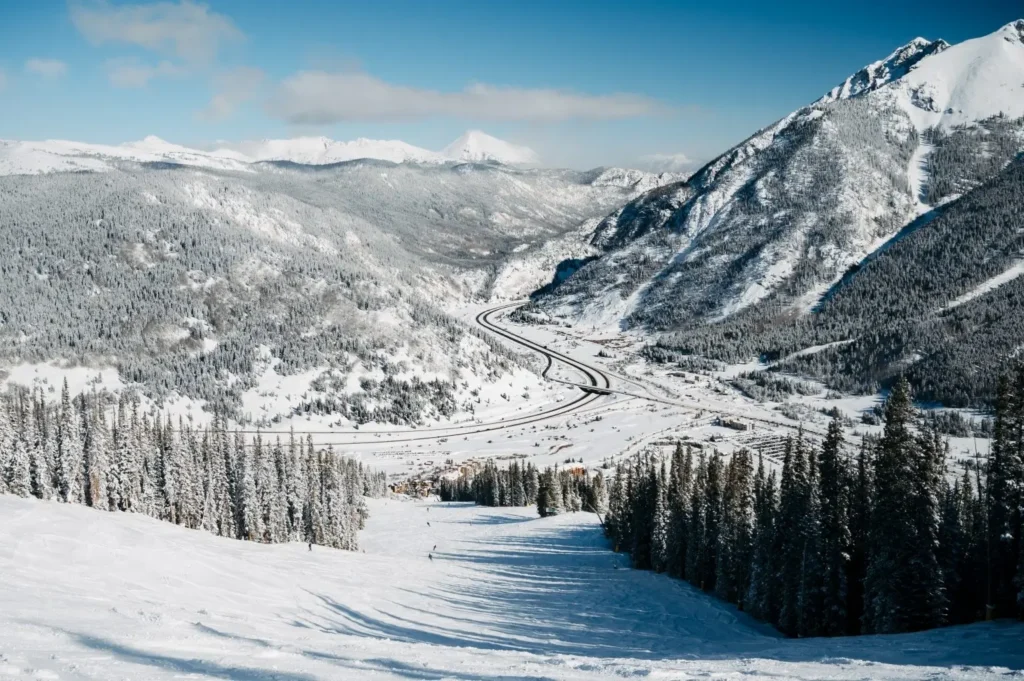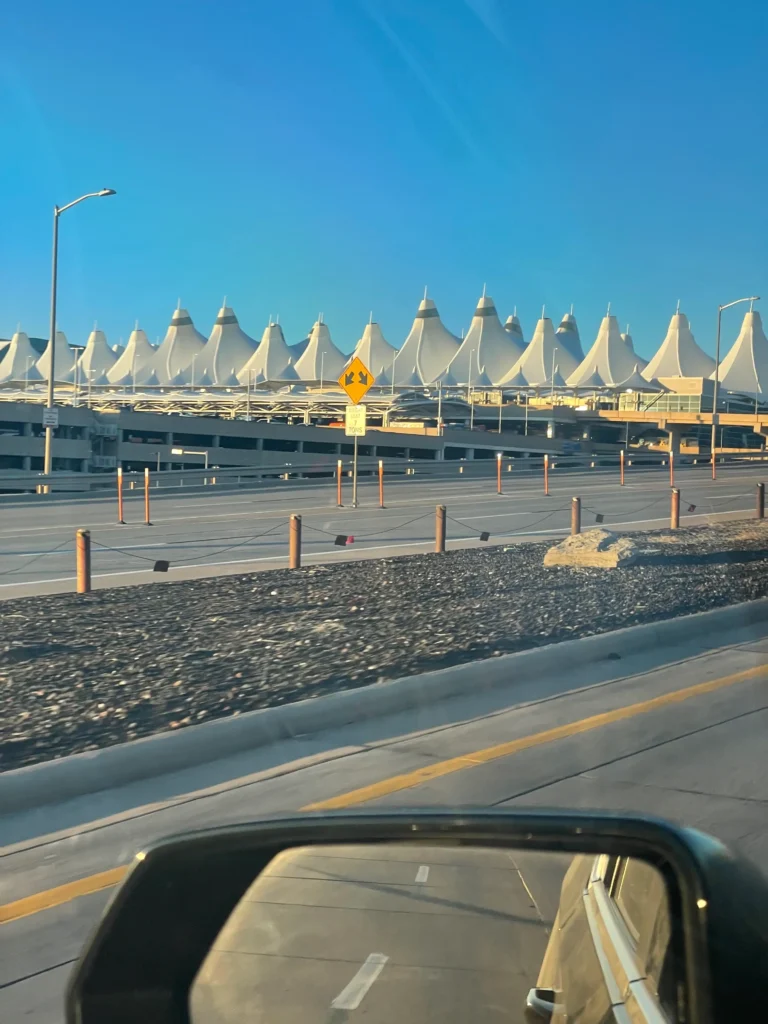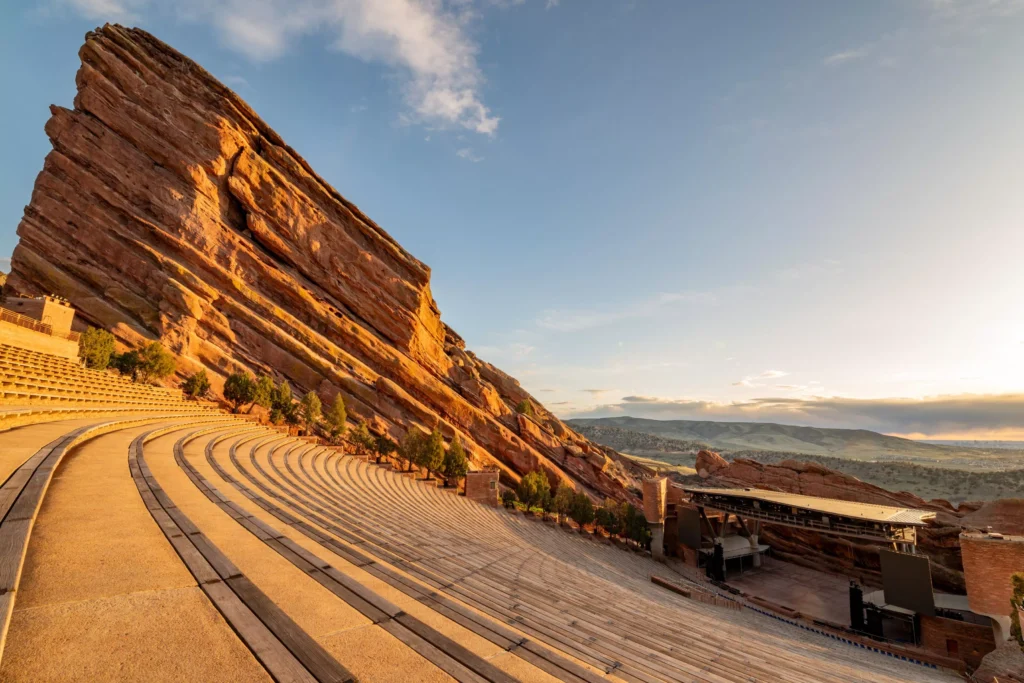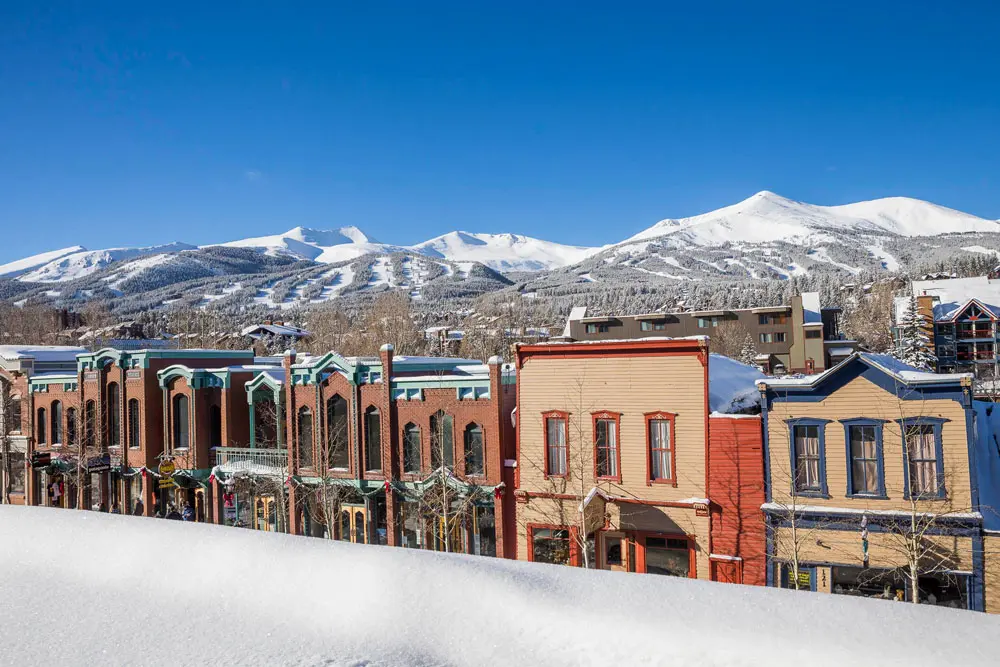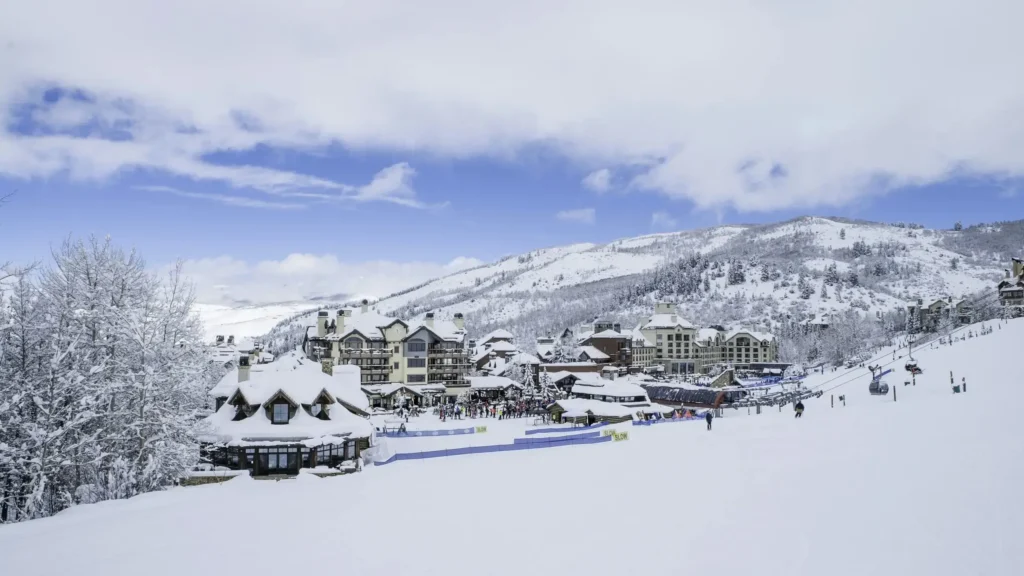

Driving I-70 in winter is quite different from Colorado in summer. It travels mountainous terrain (high altitudes), through the Eisenhower tunnel, and links Denver to the big ski resorts. The winter weather may transform in a few minutes, and a usual journey becomes a dangerous journey. It is important to know the law, the realities of the roads, and vehicle necessities before driving from Denver to Vail during the winter.
Why Driving I-70 in Winter Is Risky Even for Experienced Drivers
One of the most challenging highway systems in the state is the I-70. Rapid descents, sharp turns, and traffic congestion are added to snow, ice, and low visibility. The Eisenhower tunnel is prone to winter storms because of changing weather patterns around the tunnel, which vary very quickly because of the elevation.
Even the more seasoned drivers do not realize how bad the road conditions on I-70 can worsen. CDOT can slow or close down lanes or halt traffic with minimal warning. A stalled or unprepared vehicle may cause massive delays or even a shutdown. Mountain driving is a risk, and accidents are likely to happen in the peak season of skiing due to stress, fatigue, and being new to the mountain.
Colorado Traction Law and Chain Law: What Drivers Must Follow
Code 15 prescribes passenger cars to traction standards. The Colorado chain law requirements (Code 16) are applicable to commercial vehicles, but they can apply to all traffic in the event that the conditions aggravate. The fines may be more than several hundred dollars in particular cases when there is a non-compliant vehicle, and it causes a traffic jam or leads to an incident. The driver is still legally under an obligation.
| Requirement | CDOT Standard | Common Rental Issue |
|---|---|---|
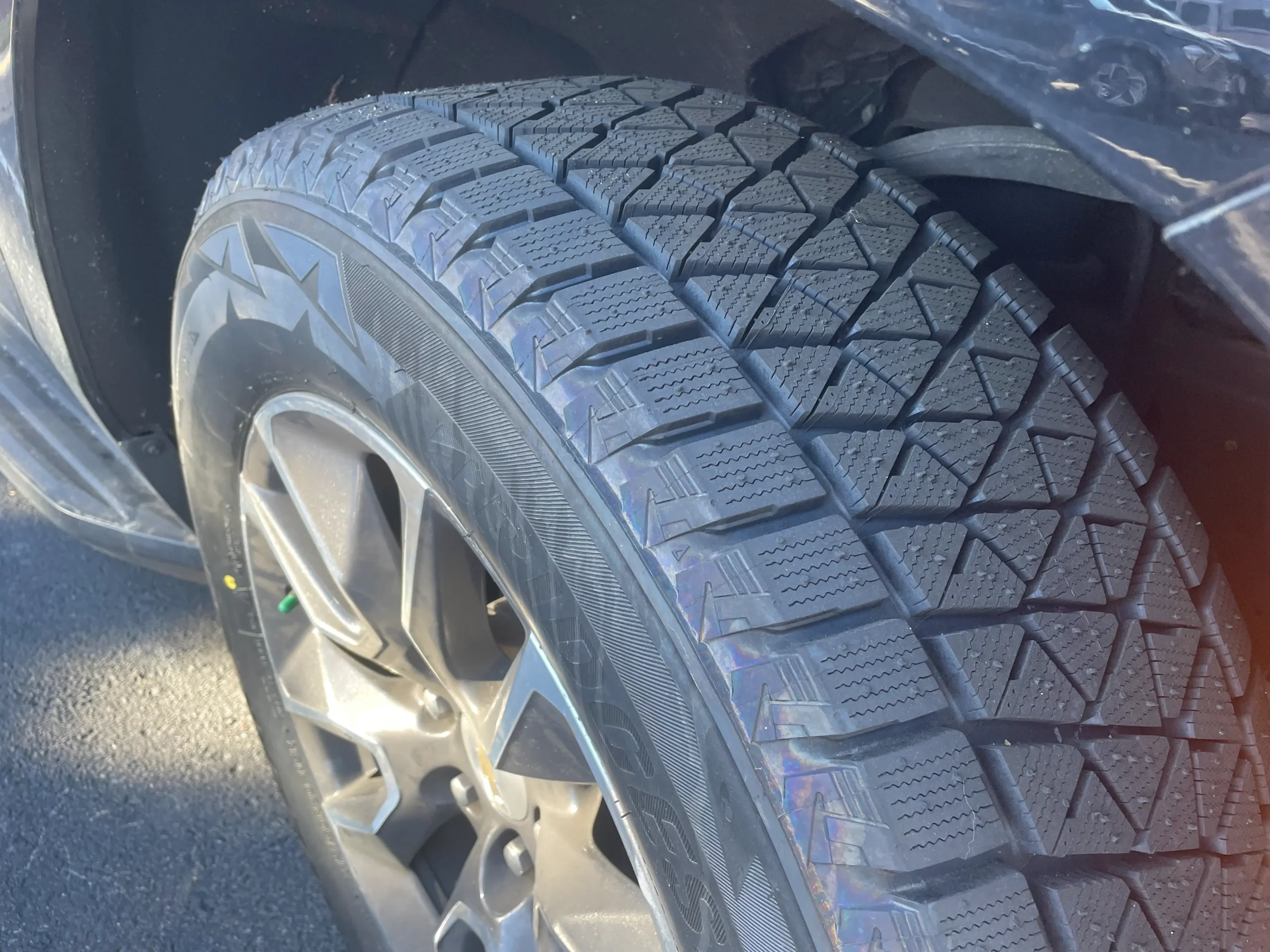
| Tire rating | M+S or 3PMSF | All-season without winter rating |
| Tread depth | Minimum 1/8 inch | Excessively worn tires |
| Traction devices | Required if activated | Chains not provided if required |
Source: Colorado Department of Transportation (CDOT)
Rental Cars, Tire Compliance, and Common Winter Mistakes
Drivers of rental cars can make mistakes in winter, especially on I-70. Most of the travelers believe that by getting an SUV or All Wheel Drive vehicle, they are automatically in compliance with the Colorado traction law. As a matter of fact, the type of vehicle does not count much as long as the tire condition and rating are considered.
Rental service logistics
The majority of the rental fleets run throughout the year and move vehicles across the states. This means that the quality of rental car tires in the Colorado winter is usually basic and all-season. Tires with an M+S marking can have inadequate tread depth or winter performance to be used in sustained mountain driving. When traction restrictions are enforced by CDOT, these restrictions become acute.
Lack of verification
The drivers seldom check the tread depth prior to departure or ensure that the tires have a minimum tread depth of 1/8-inch as stipulated in the law concerning passenger vehicle traction. Lease agreements normally transfer all the legal liability to the driver. When a car does not comply with the specifications of a Code 15 activation, the fines and penalties should be paid irrespective of the rental place.
Chains and traction
Most of the rental companies don’t provide chains, and some even forbid them. This leaves drivers with no options that comply with the circumstances, especially where the I-70 is in its worst condition, particularly around the high-elevation areas. Once traffic restrictions are set in place, it might be impossible to turn around.
Numerous drivers can face this problem as they drive between Denver and Vail during the winter season. The instances of compliance failure are hardly caused by the misguided driving, but rather the misguided beliefs regarding rental preparedness. Even a small oversight on I-70 may result in delays, citations, or eviction from the roadway in the active winter conditions.
I-70 Winter Driving Tips and What Most Drivers Underestimate
The I-70 winter driving tips are all about the preparation, but execution in real life is more challenging. Weather predictions are fluctuating, traffic is increasing at a high rate, and there are no predictable road closures. There should be a general checklist that involves checking tires, following CDOT warnings, carrying first aid equipment, and scheduling additional commuting hours.
Decision fatigue is greatly underrated by many drivers. Such multi-tasking of traction laws, traffic stops, mountain weather, and navigation increases the risk. The pressure is also stressful, particularly to people who have never been on Colorado mountain roads.
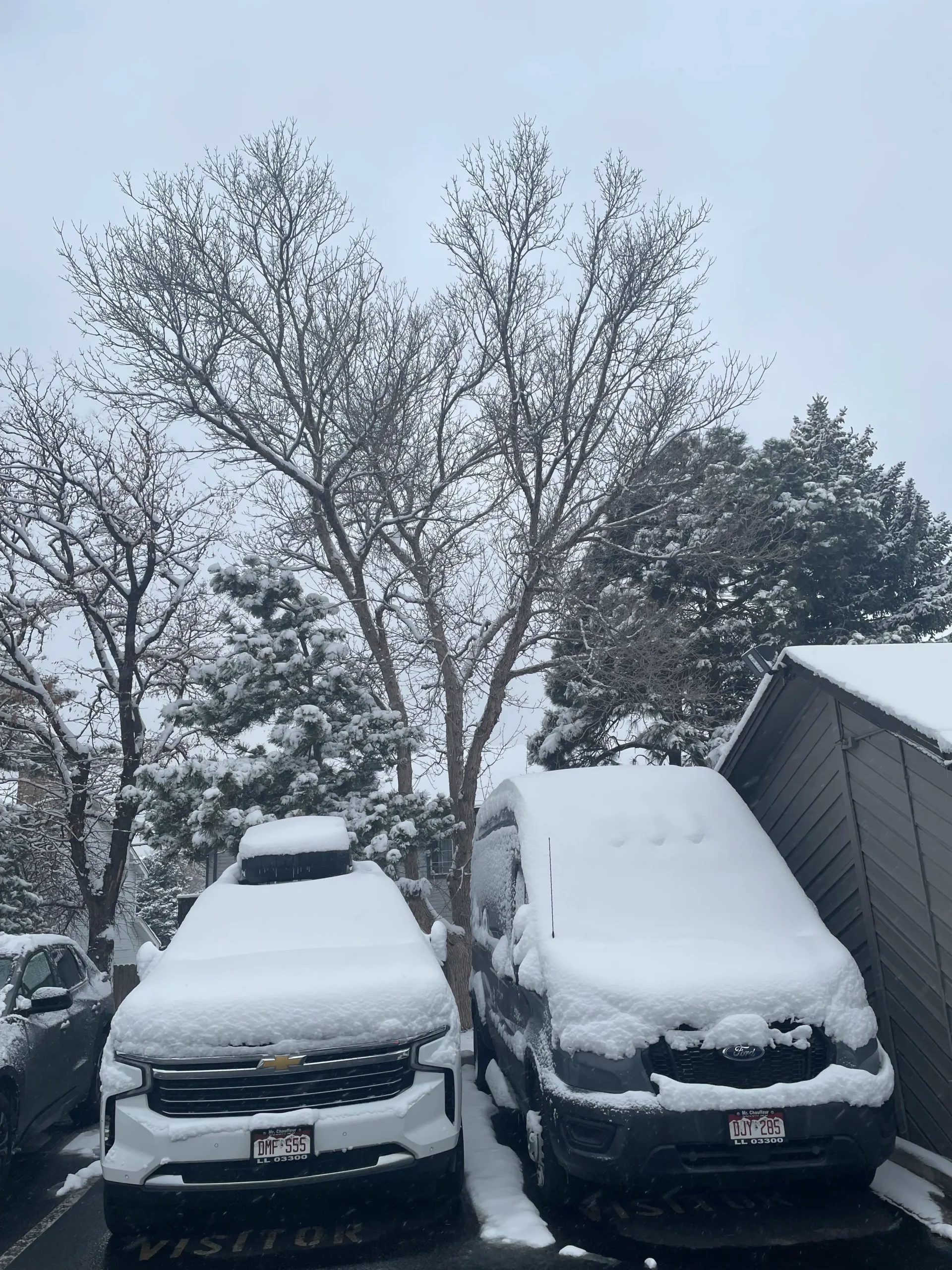
Why a Professional Chauffeur Is the Safer Option from Denver to Vail
To most tourists, the most secure option is not driving. Professional chauffeurs drive cars that are thoroughly winterized and have the correct tires and adhere to the Colorado traction law. These vehicles will meet the minimum standards and also reduce the legal and safety risks.
The option of a private Denver to Vail shuttle will remove stress, liability, and uncertainty. Customers can evade the costs of fines, delays, and the pressure of driving in the snowy mountains. Alternative services, such as Mr. Chauffeur offer controlled, compliant, and reliable services in the toughest driving season in Colorado.
PRIVATE AIRPORT SHUTTLE RATES
STANDARD GRATUITY OF 20% WILL BE ADDED TO PRICE
| Private shuttle Denver to/from Vail |
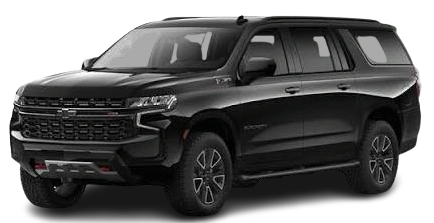 1-5 Passengers Luxury SUV |
 1-9 Passengers Executive Van |
1-14 Passengers Executive Van |
|---|---|---|---|
| Denver International Airport | $575 | $850 | $950 |